Guides
Guides and how-tos
Practical advice from people who know the trade: choose the right equipment, use it correctly, and avoid the common mistakes.
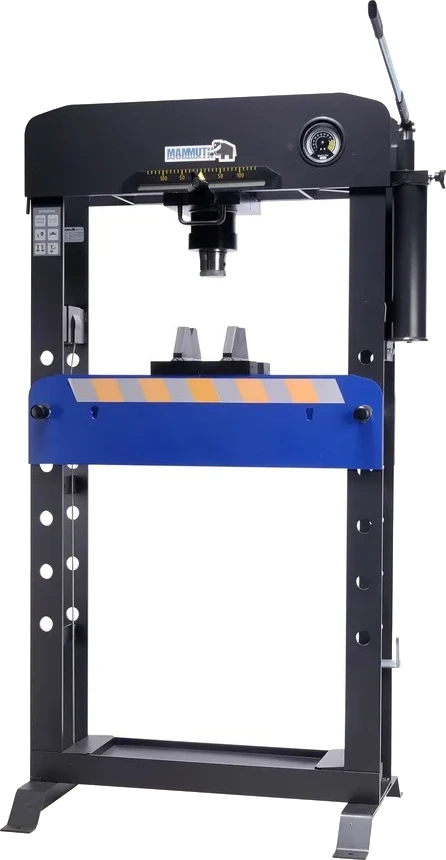
Velg riktig verkstedpresse
A workshop press is chosen by three things: how many tonnes the heaviest jobs need, how large the parts going into the frame are, and how you want to drive the pump. Our Mammuth range runs from 20 to 100 tonnes. Tonnes cannot be worked out in advance: a rusted wheel bearing on a passenger car can easily take 40–50 tonnes, while the same bearing on a new car goes with a fraction. So choose the press by the heaviest job you can imagine, with margin — not by the most common one. A hand pump is fine for the press used now and then; a foot pedal and air are worth it for the press used every day, because both hands stay free. Where the press cannot reach, a flat cylinder does the same job at 47 to 100 mm height — with its own 700-bar pump.
Updated 12 September 2026
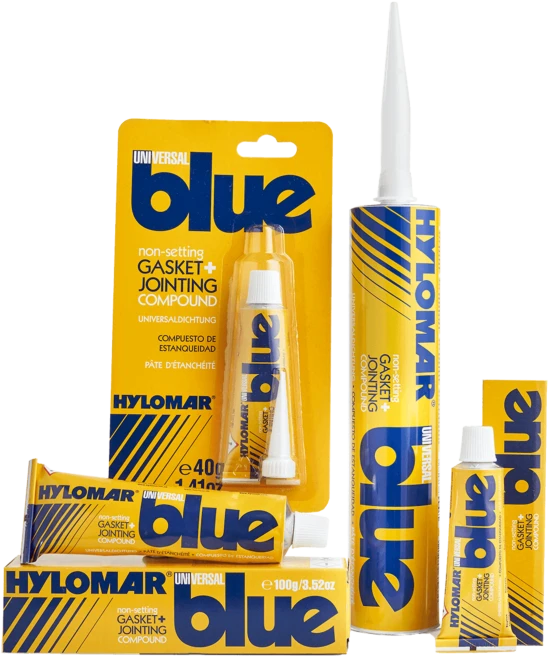
Hylomar — verkstedets hemmelige våpen
Hylomar is a liquid gasket that never sets. It fills the imperfections between two faces and seals, but does not glue — so the part comes apart again, and the joint reseals itself when it moves. That is why it was made for jet engines and is still used in racing. Three grades cover almost everything: Universal Blue is the original, M is tackier and fuel-resistant, Advanced Formulation is solvent-free and best on gearboxes. All resist oil, fuel and coolant and run from −50 to +250 °C. The thing to remember: a thin film on clean faces, and let the solvent in Blue and M flash off before you assemble. If you need to fill a real gap, Hylomar is the wrong tool — then you want Hylotyte Red or a silicone.
Updated 12 September 2026
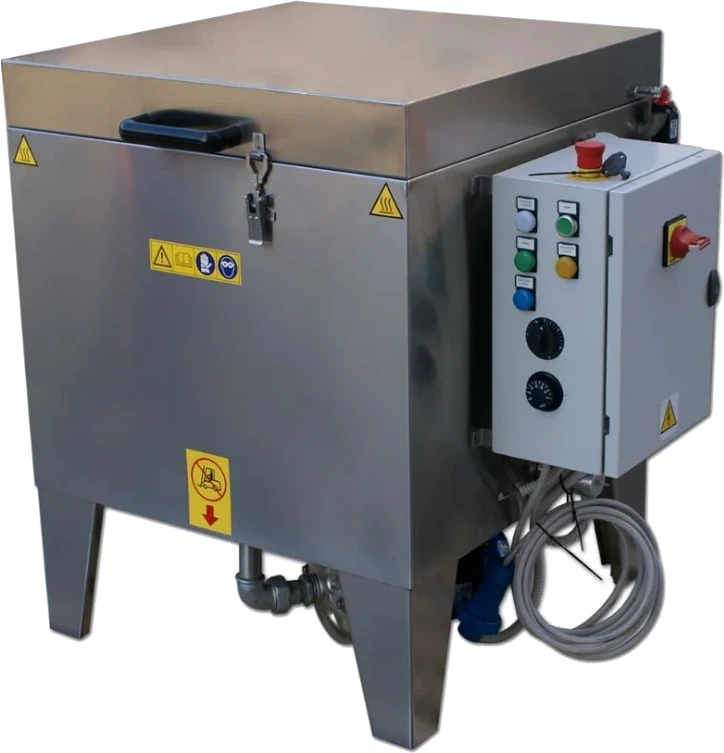
Avfetting av metalldeler
Degreasing removes oil, grease and dirt from metal before the part is painted, pickled, passivated or assembled. Skip it and the coating does not bond, and rust gets a start underneath. Three things decide the method: which metal the part is made of (aluminium tolerates only mild alkali, steel tolerates strong), what kind of oil is on it, and how dirty the part is. There are four main methods: spraying, dipping, steam and vibration. For workshops with a steady flow of parts, heated spraying in a closed machine is the most used — it takes oil and chips in the same pass. Always check the detergent data sheet for temperature and dosing.
Updated 11 September 2026
Spon og skjæreolje etter maskinering
After turning, milling and drilling there are always chips left on the part — and the cutting oil glues them in place. A single chip in a threaded hole skews the tightening torque at assembly; one under the paint gives blisters and flaking in the curing oven. That is why washing is a production step of its own, not a tidy-up at the end. Rule of thumb: many similar parts every day are washed best in an automatic hot-water washer with a rotating basket; few and complex parts are washed better by hand in a high-pressure booth. Always wash BEFORE assembly and BEFORE paint — never after.
Updated 11 September 2026
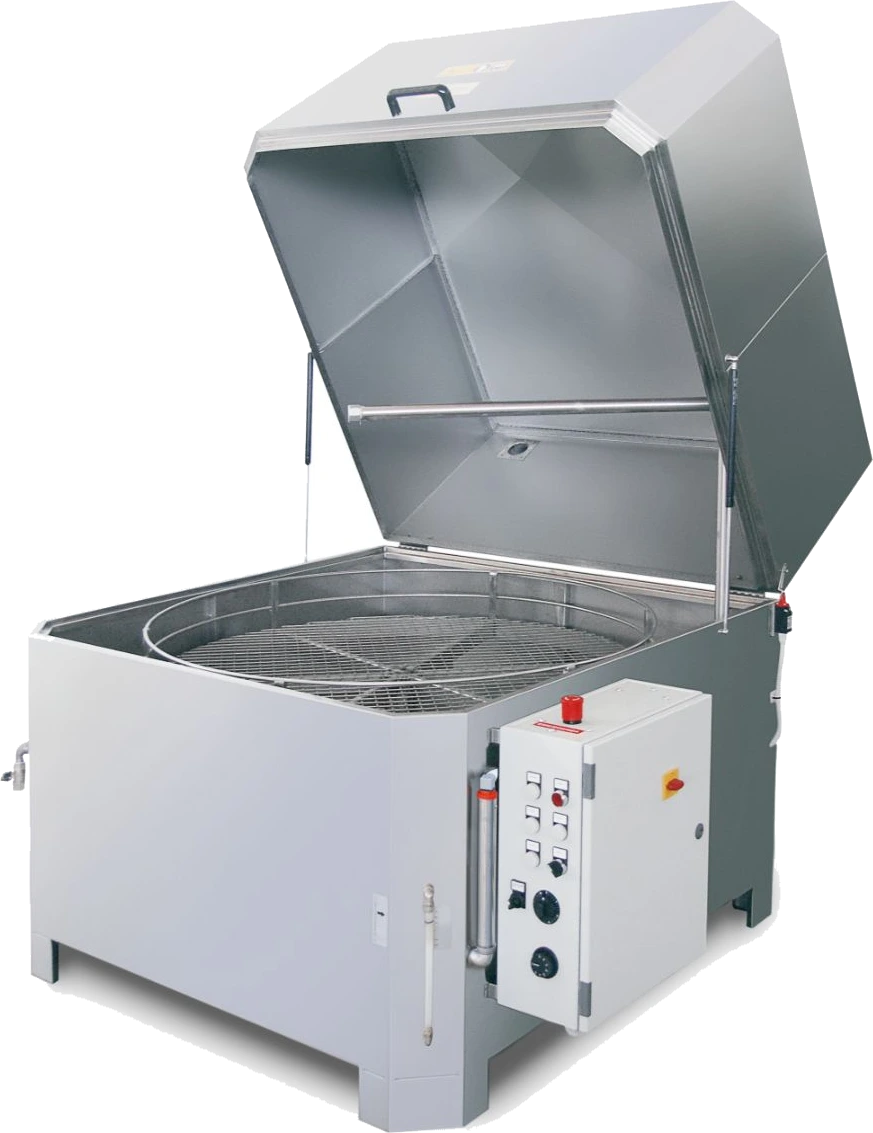
Velg riktig blåsemiddel
Crushed glass is the all-rounder that handles most paint and rust. Glass beads give a clean matt finish in a cabinet, aluminium oxide is the hard, fast choice that survives many cycles, and soda is the only genuinely gentle option for thin panels and chrome. The rule behind it all: match the media to the substrate — never harder than it can take. And ordinary quartz sand is not an option: it is effectively banned in Norway because of the silicosis risk.
Updated 31 August 2026
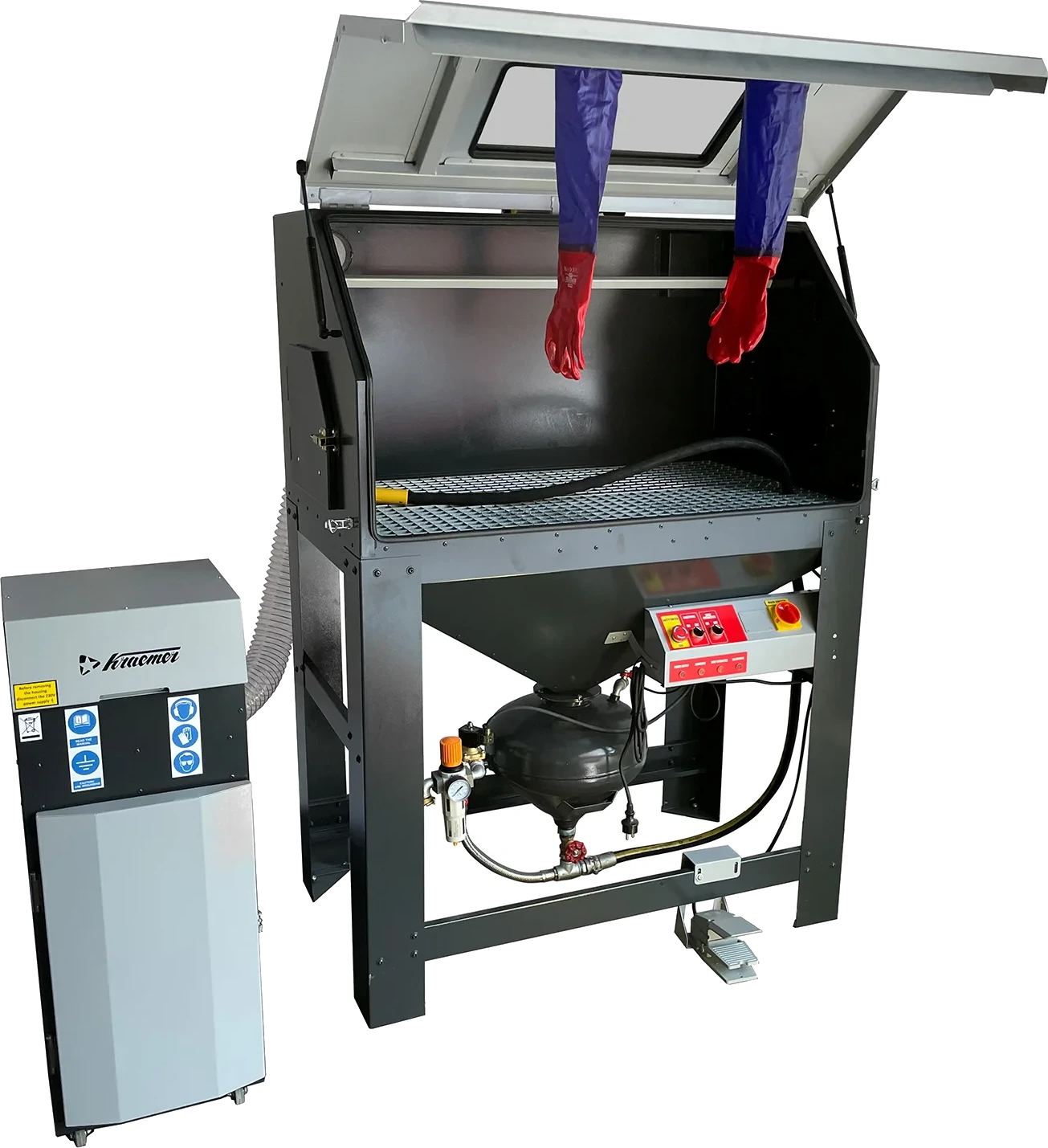
Vannpolering
Wet blasting — vapour blasting — mixes water and blasting media into a slurry that cleans along the surface instead of striking into it. The result is a satin, as-new finish dry blasting cannot deliver: no embedded grains, no heat distortion, zero dust — and the part degreases in the same operation. That is why the method is the gold standard for engine parts, carburettors and vintage aluminium. Remember what matters most afterwards: rinse thoroughly, blow out every gallery, and apply corrosion protection at once — freshly blasted metal is perfectly clean and completely unprotected.
Updated 31 August 2026
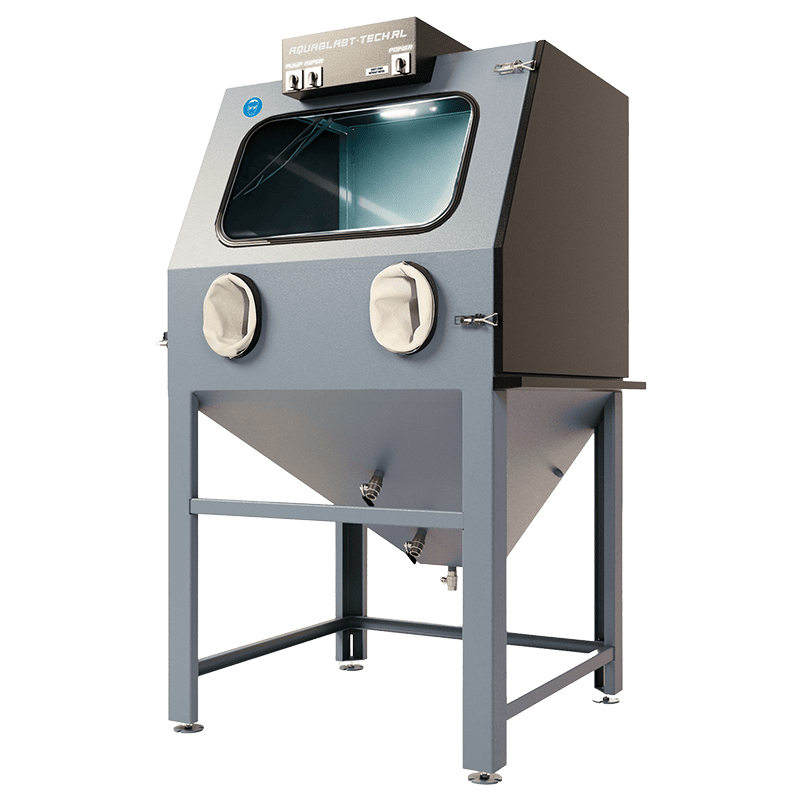
Planlegg verkstedsinnredningen
Measure the room before you choose anything — wall lengths, doors, and where power and compressed air actually enter. Then pick the series by depth: EXPERT has deep cabinets (620 mm) with the most volume, STARX is slimmer (455 mm) and frees floor space, and STARX DEEP is STARX with a deep workbench — for when you need more bench space. Put a corner cabinet in the corner, so that square metre does not sit unused. And draw the whole layout in our 3D planner before ordering — you see that everything fits, and the parts list comes for free.
Updated 30 August 2026
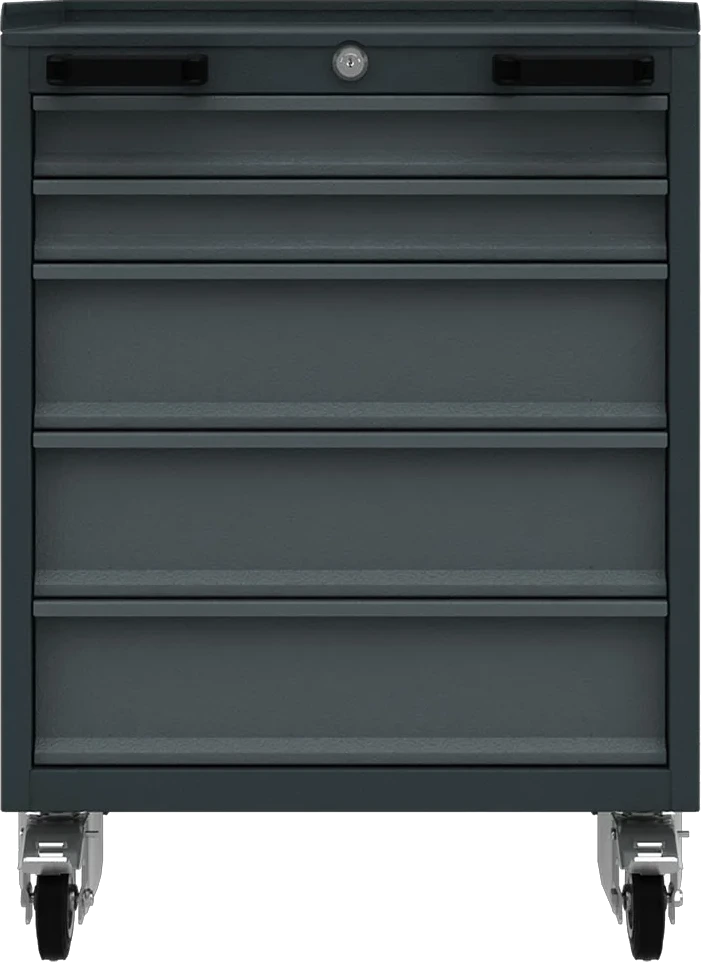
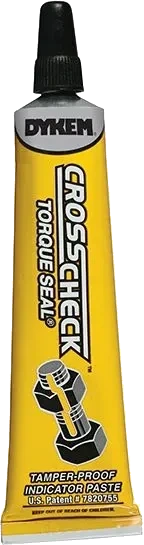
Sikringslakk — streken som avslører løse bolter
Torque seal is a small stripe of indicator paste laid across the nut and the surface after the joint is torqued to spec. If the stripe is unbroken, the bolt stands as you left it; if it is broken or offset, something has moved — or someone has been turning it. Seconds to apply, and the whole inspection happens at a glance. Used everywhere from aviation and machining to maintenance rounds on the workshop floor.
Updated 29 August 2026
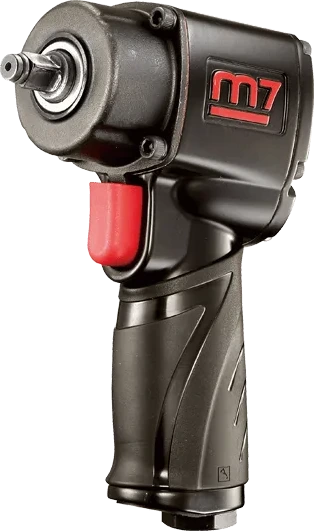
Har luftverktøy fremdeles livets rett?
Yes — in a workshop with compressed air, air tools are still hard to beat: more power per gram, simpler mechanics that take years of abuse, no batteries that age, and continuous duty without heat breaks. Battery tools win on mobility and everything outside the workshop. The honest rule: if you have a compressor and work in a fixed spot, buy air; if you work where the hose cannot reach, buy battery. We sell both — which is why we dare put it that way.
Updated 29 August 2026
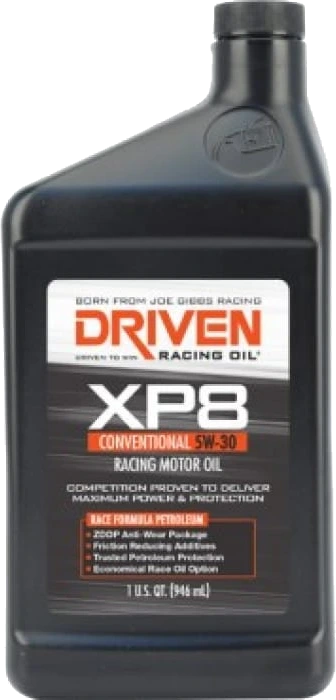
Racingolje eller vanlig motorolje?
Racing oil is built for heat, revs and maximum wear protection — and sacrifices what a daily driver needs: long-life additives, cold-start behaviour and catalytic-converter compatibility. If you run on track, use racing oil and change it often. If you drive a daily, use ordinary oil to the manufacturer's spec. And if you have a classic engine with a flat-tappet cam, you need a third thing: street oil with high zinc (ZDDP), made for exactly that.
Updated 29 August 2026
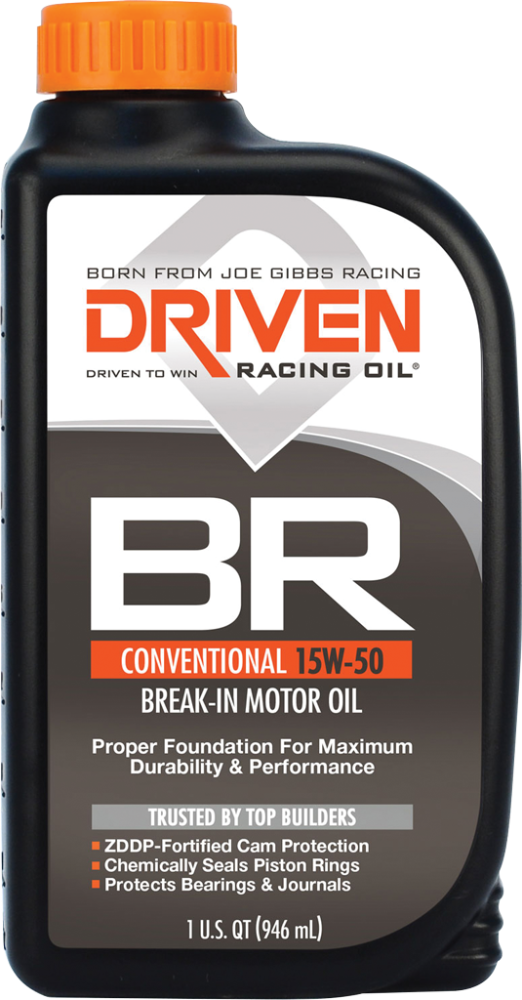
Innkjøringsolje — hvorfor og hvordan
A freshly rebuilt or newly built engine should be run in on break-in oil: mineral-based, high in zinc (ZDDP) and free of the friction modifiers modern oil is full of. The rings need controlled friction to seat against the cylinder wall — ordinary oil is simply too slippery. Break in at varying revs, never idle for the first minutes, change the oil early, and then switch to your running oil.
Updated 29 August 2026
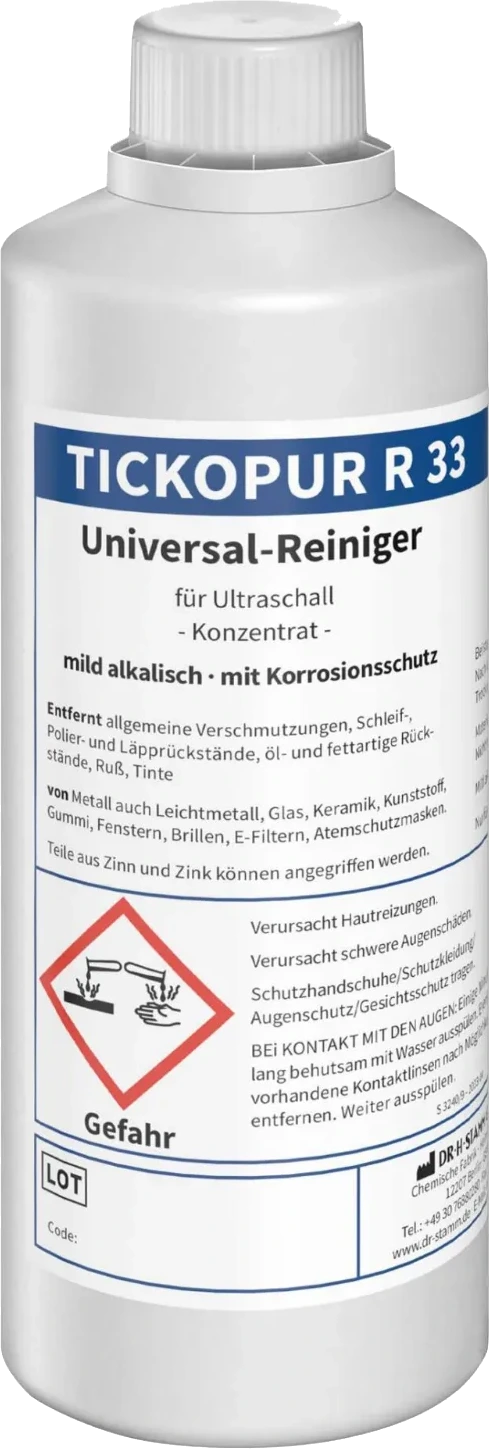
Riktig dosering i ultralydbad
Dose the cleaning concentrate at the percentage stated on the preparation's label or data sheet, calculated from the bath's working capacity — up to the fill mark. Too little cleans poorly and can cause corrosion; too much doesn't clean better, it just costs more. The calculator below works out exactly how much concentrate and water you need.
Updated 29 August 2026